


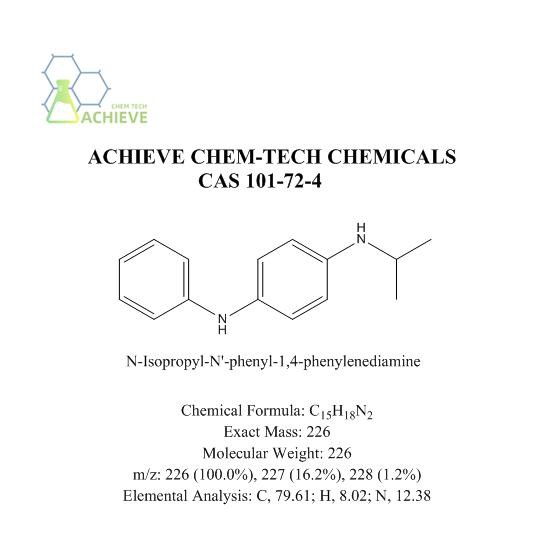

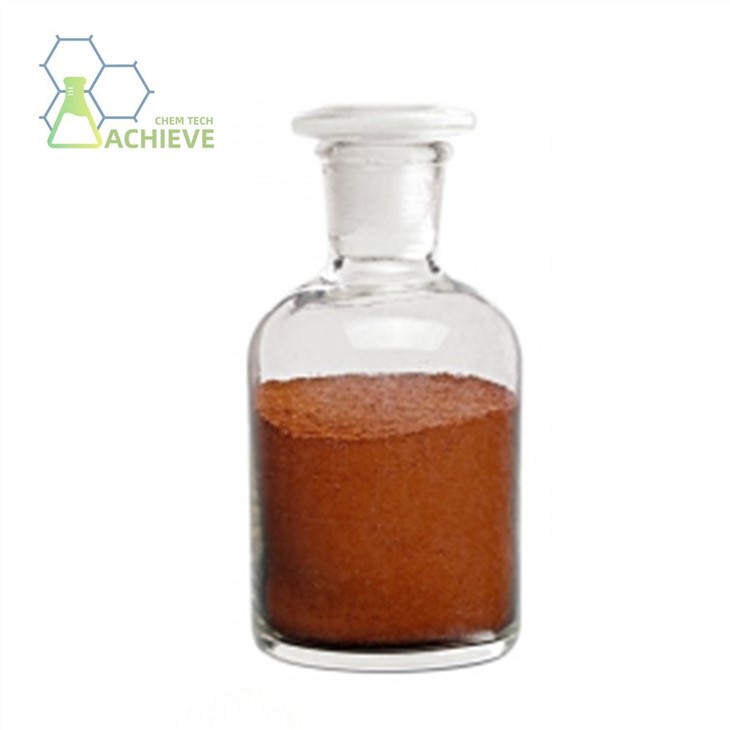
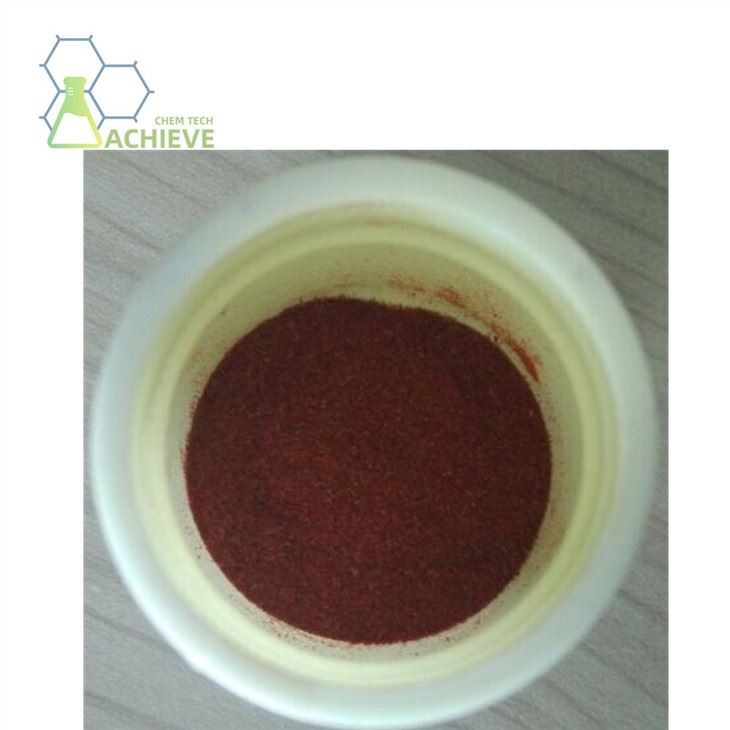

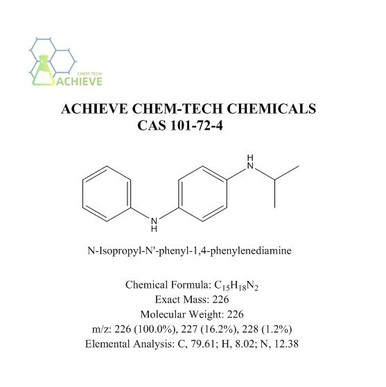
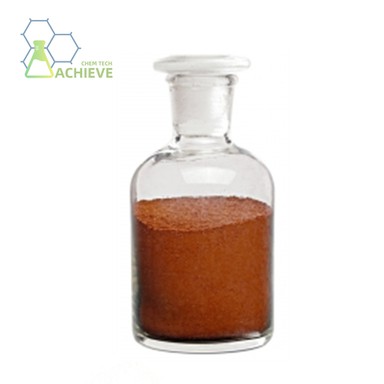
N-isopropyl-n'-phenyl-1,4-phenylenediamine, also known as antioxidant 4010NA, is a light red to purple red, brown granular, with the molecular formula of C15H18N2 and CAS 101-72-4. Soluble in oil, acetone, benzene, carbon tetrachloride, carbon disulfide and ethanol, insoluble in gasoline, insoluble in water, discolored when exposed to air and sunlight, with low toxicity. The universal excellent antioxidant for natural rubber, synthetic rubber and latex has excellent protective effect against ozone and flex fatigue aging.

|
C15H18N2 |
|
|
226 |
|
|
226 |
|
|
m/z |
226 (100.0%), 227 (16.2%), 228 (1.2%) |
|
C, 79.61; H, 8.02; N, 12.38 |
|
|
|
Melting point 72-76 ℃ C, Boiling point 161 ℃ C, Density 1,17 g/cm3, Refractive index 1.5000 (estimate), Flash point 161 ℃ c/1mm, Storage conditions -20 ℃ C, Acidity coefficient (PKA) 6.76 ± 0.32 (predicted), Water solubility <0.1 g/100 ml at 18 º C, Air sensitive, Stable Combustible. Incompatible with strong oxidizing agents., Hazard description h302-h317-h400-h410, Precautions p262-p273-p280g-p501a, Dangerous goods sign Xi, N, xn, Hazard category code 36/37/38-50/53-43-22, Safety instructions 26-36-61-60-37-2, Dangerous goods transport No. 3077, RTECS No. st2650000, Hazard Note Irritant, TSCA Yes, HazardClass 9, PackingGroup III, Toxicity LD50 oral in rat: 720mg/kg.

N-Isopropyl-N'-phenyl-1,4-phenylenediamine is one of the important rubber antioxidant, which is widely used in the rubber industry. Antioxidant 4010NA was synthesized with platinum supported on activated carbon as catalyst. The influence of catalyst preparation process on its catalytic effect and the synthesis process conditions were investigated. In addition, the catalyst supported on mesoporous carbon CMK-3 was compared with platinum carbon catalyst. In the investigation of the influence of the preparation process of activated carbon supported platinum catalyst, it is considered that the activated carbon with moderate particle size distribution, high specific surface area, high micropore and mesopore content and rich surface acidic functional groups is the best carrier: pretreatment of the carrier carbon with 20% nitric acid can ensure the appropriate specific surface area and pore structure and obtain rich acidic oxygen-containing functional groups at the same time; The catalyst with high metal dispersion and good activity can be obtained when the loading amount of platinum is 3%.


Rubber anti-aging agent 4010NA (chemical name: N-isopropyl-N '- phenyl-phenylenediamine, CAS number: 101-72-4) is an amine anti-aging agent widely used in the rubber industry. With its excellent ozone resistance, heat oxidation resistance, flexural cracking resistance, and photo aging resistance, it has become an indispensable protective additive in natural rubber, synthetic rubber, and latex products. The following systematically explains its purpose from four dimensions: core protective functions, application areas, synergistic effects, and special environmental adaptability.
1. Anti ozone aging
Ozone is the main cause of cracking in rubber products under dynamic stress. 4010NA reacts with ozone molecules to form stable chemical bonds, blocking the attack of ozone on rubber molecular chains and significantly extending the service life of products in outdoor or high ozone environments. For example, during the driving process, car tires generate ozone due to friction with the ground. The addition of 4010NA can improve the anti ozone cracking performance of the tire sidewall by 3-5 times, reducing the risk of tire blowouts.
2. Thermal oxidative aging resistance
Under high temperature conditions, rubber molecular chains are prone to oxidative fracture, resulting in increased hardness and loss of elasticity. 4010NA captures free radicals, inhibits oxidative chain reactions, and delays rubber thermal degradation.


In the insulation layer of cables, 4010NA can extend the thermal aging life of materials at 100 ℃ to more than 2 years, far exceeding similar products without added anti-aging agents.
3. Anti flexural cracking
Repeated bending or vibration can cause microcracks (flexural cracking) on the rubber surface. 4010NA reduces crack propagation rate by enhancing intermolecular forces. Experimental data shows that adding 4010NA to rubber products can increase their flexural life by more than 10 times in dynamic stress testing, making them suitable for high-frequency moving parts such as shock absorbers and seals.
4. Anti-photoaging
UV irradiation can cause photodegradation of rubber molecular chains, resulting in surface pulverization and discoloration. 4010NA inhibits photooxidation reactions by absorbing ultraviolet energy or quenching excited state molecules. In outdoor rubber conveyor belts, 4010NA can control the color difference change (Δ E) of the material within 3 within 5 years, maintaining appearance stability.
5. Inhibiting metal ion catalyzed aging
Metal ions such as copper and manganese can accelerate the oxidation process of rubber. 4010NA reduces its catalytic activity by forming chelates with metal ions. In rubber sheaths containing copper wires, 4010NA can extend the electrical insulation performance of the material for more than 10 years.


1. Tire industry
Passenger car tires: As the main anti-aging agent for sidewall rubber, 4010NA can withstand high-frequency bending deformation during tire driving, reducing the occurrence of sidewall cracks. For example, an international tire brand increased the sidewall ozone resistance test level from level 3 to level 1 (ASTM D4575 standard) by adding 2 portions of 4010NA to the formula.
Aviation tires: need to withstand extreme temperatures (-55 ℃ to 150 ℃) and high loads (takeoff and landing impact force of several tons). The combination of 4010NA and microcrystalline wax can form a dual protective barrier, extending the tire life to more than 3000 takeoffs and landings.
Agricultural machinery tires: In harsh road conditions such as mud, sand, and gravel, the anti cutting performance of 4010NA can reduce tread damage and lower replacement frequency.
2. Industrial rubber products
Conveyor belt: In heavy-duty scenarios such as mines and ports, the 4010NA can resist material wear and ozone erosion, extending the service life of the conveyor belt from 2 years to over 5 years.
Rubber hose: Hydraulic rubber hoses need to withstand high pressure (up to 40MPa) and medium corrosion. The addition of 4010NA can maintain a burst pressure retention rate of over 90% for the hose within 10 years.
Rubber roller: Printing rubber rollers need to maintain surface smoothness, and the anti fouling performance of 4010NA can reduce ink residue and extend the cleaning cycle.


3. Auto parts
Seals: High temperatures (up to 150 ℃) and oil corrosion in the engine compartment require seals to have long-term stability. 4010NA can reduce the compression permanent deformation rate of silicone rubber seals to below 10%.
Shock absorber: In the suspension system, 4010NA can suppress the dynamic fatigue of rubber bushings and improve vehicle handling stability. The experiment shows that the stiffness change rate of the liner with 4010NA added is less than 5% after 500000 kilometers of testing.
4. Wire and cable
High voltage cable: In voltage levels above 220kV, 4010NA can prevent ozone aging of the insulation layer caused by corona discharge, ensuring the safe operation of the cable.
Marine cable: It needs to resist seawater corrosion and salt spray environment. The 4010NA water-resistant pull-out resistance of the cable can maintain an insulation resistance retention rate of over 95% within 5 years.
5. Consumer electronics
Rubber buttons: In devices such as smartphones and remote controls, the 4010NA can prevent button fatigue caused by frequent pressing and maintain consistent tactile sensation.
Earbuds: They need to be in contact with human skin and worn for a long time. The low toxicity (LD50>1000mg/kg) of 4010NA meets the requirements of medical grade rubber.


1. Used in combination with microcrystalline wax
Microcrystalline wax can form a physical protective film on the surface of rubber, complementing the chemical protection of 4010NA. In tire formula, the combination of 4010NA (2 parts) and microcrystalline wax (1 part) can increase the sidewall ozone resistance test level from level 2 to level 0 (ASTM D4575 standard), while reducing production costs.
2. Compound with other anti-aging agents
Combined with antioxidant RD: RD (2,2,4-trimethyl-1,2-dihydroquinoline) is good at resisting thermal oxidative aging, and 4010NA is good at resisting ozone aging. The combination of the two can extend the thermal aging life of rubber at 120 ℃ to more than 3 years.
Combined with antioxidant 4020: 4020 (N - (1,3-dimethylbutyl) - N '- phenyl-phenylenediamine) has similar ozone resistance to 4010NA, but better flexural cracking resistance. After compounding, it can be used to manufacture ultra-high performance tires.


3. Collaborate with fillers
Combined with carbon black: Carbon black can absorb ultraviolet rays and, when combined with the anti-aging properties of 4010NA, increases the weather resistance of outdoor rubber products by more than twice.
Combination with white carbon black: In light rubber products, the combination of white carbon black and 4010NA can achieve the balance of anti-aging and low pollution, which is suitable for medical grade silicone products.
1. High temperature and rainy areas
In high temperature and high humidity environments such as Southeast Asia and tropical rainforests, the water extraction resistance of 4010NA (solubility<0.1g/100mL water) can prevent the loss of anti-aging agents and ensure the long-term stability of rubber products in humid environments. For example, in the conveyor belt of rubber plantations in Malaysia, 4010NA can extend the service life of materials to over 8 years during the rainy season.
2. Extremely cold regions
In low-temperature environments such as Siberia and the Arctic (below -50 ℃), 4010NA can prevent rubber embrittlement.


Experimental data shows that the impact elasticity retention rate of rubber products with 4010NA added exceeds 80% at -60 ℃, making them suitable for polar scientific research equipment.
3. Strong corrosive environment
In highly corrosive environments such as chemical and marine industries, the chemical stability of 4010NA (which does not react with strong oxidants) can resist acid-base erosion. For example, in the rubber fenders of offshore drilling platforms, 4010NA can reduce the corrosion rate of materials in seawater to below 0.01mm/year.
Issiq teglar: n-isopropyl-n'-phenyl-1,4-phenylenediamine cas 101-72-4, suppliers, manufacturers, factory, wholesale, buy, price, bulk, for sale